

A Ventilated Sheet Metal Enclosure is an essential solution for modern industrial, commercial, and electronic applications where protection, airflow, and durability must work together. As electronic systems become more compact and powerful, heat management and structural safety have become critical design considerations. A well-designed Ventilated Sheet Metal Enclosure provides a controlled environment that protects internal components while allowing heat to dissipate efficiently, ensuring stable performance and extended service life.

What Is a Ventilated Sheet Metal Enclosure
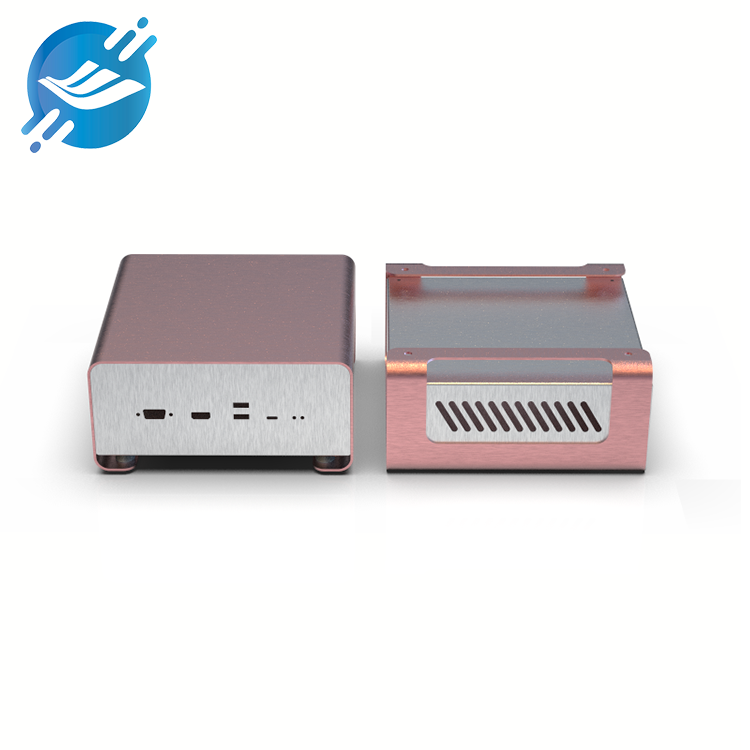
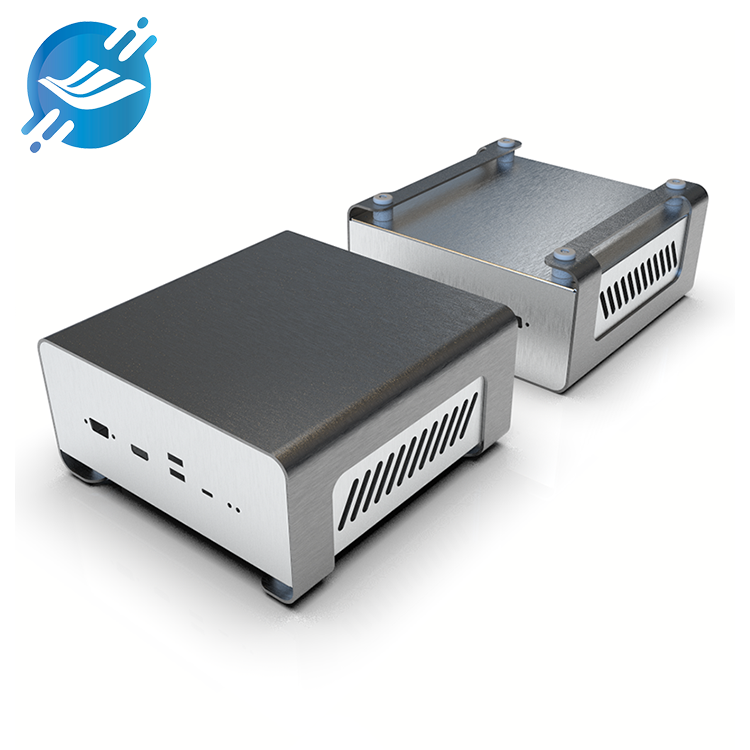
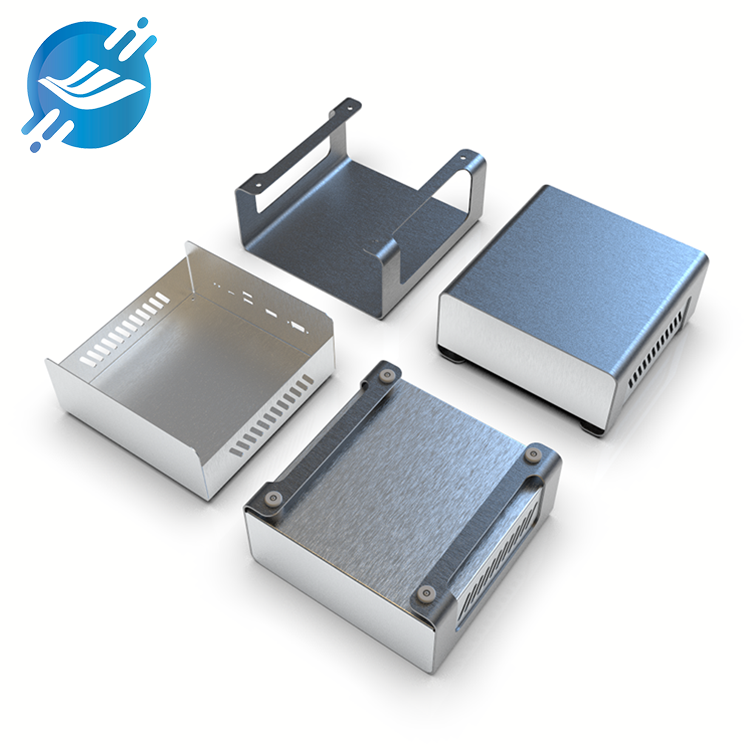
A Ventilated Sheet Metal Enclosure is a metal housing fabricated from precision-cut and bent sheet metal, incorporating ventilation slots or perforations to promote airflow. Unlike fully sealed housings, a Ventilated Sheet Metal Enclosure balances protection with thermal management, making it ideal for equipment that generates heat during normal operation. The enclosure is typically manufactured using cold-rolled steel, galvanized steel, stainless steel, or aluminum, depending on environmental and performance requirements.
The core function of a Ventilated Sheet Metal Enclosure is to protect internal electronics or mechanical components from external damage while maintaining a stable internal temperature. By integrating ventilation features directly into the enclosure design, manufacturers can reduce reliance on additional cooling systems and improve overall system efficiency.
Why Ventilation Matters in Metal Enclosures
Heat is one of the primary factors that affect the reliability and lifespan of electronic equipment. Without proper airflow, heat can accumulate inside an enclosure, leading to reduced performance, premature component failure, or system shutdowns. A Ventilated Sheet Metal Enclosure addresses this challenge by allowing natural or forced airflow through strategically placed ventilation openings.
The ventilation structure of a Ventilated Sheet Metal Enclosure is carefully engineered to maintain safety while maximizing airflow. Slot size, spacing, and placement are designed to prevent accidental contact with internal components while still allowing heat to escape. This balance is especially important in industrial and commercial environments where both safety standards and performance requirements must be met.
Manufacturing Process of a Ventilated Sheet Metal Enclosure
The production of a Ventilated Sheet Metal Enclosure relies on advanced sheet metal fabrication techniques to ensure precision, consistency, and durability. The process typically begins with laser cutting, which allows accurate formation of ventilation slots, mounting holes, and interface cutouts. Laser cutting ensures clean edges and tight tolerances, which are essential for both functionality and appearance.
After cutting, CNC bending is used to form the enclosure panels into their final shape. This step determines the overall structural strength of the Ventilated Sheet Metal Enclosure, as precise bending angles ensure proper alignment and rigidity. By minimizing welding and using bend-formed structures, manufacturers can improve strength while maintaining a clean, professional finish.
Surface treatment is the final step in manufacturing a Ventilated Sheet Metal Enclosure. Depending on the application, the enclosure may be powder coated, zinc plated, brushed, or anodized. These finishes enhance corrosion resistance, improve durability, and allow the enclosure to match branding or aesthetic requirements.
Material Options for a Ventilated Sheet Metal Enclosure
Material selection plays a critical role in the performance of a Ventilated Sheet Metal Enclosure. Cold-rolled steel is commonly used for indoor applications where strength and cost efficiency are priorities. Galvanized steel adds an extra layer of corrosion resistance, making it suitable for humid or industrial environments.
Stainless steel is often chosen for applications requiring superior corrosion resistance, hygiene, or long-term durability, such as food processing or medical equipment. Aluminum, on the other hand, offers a lightweight alternative that is ideal for portable devices or applications where weight reduction is important. Each material option allows the Ventilated Sheet Metal Enclosure to be optimized for specific operating conditions.

Structural Design and Assembly
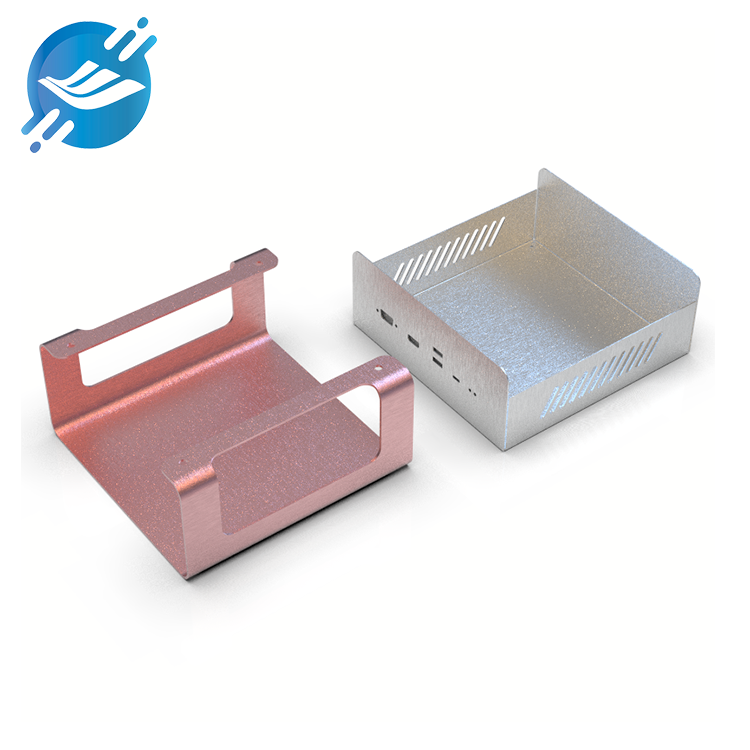
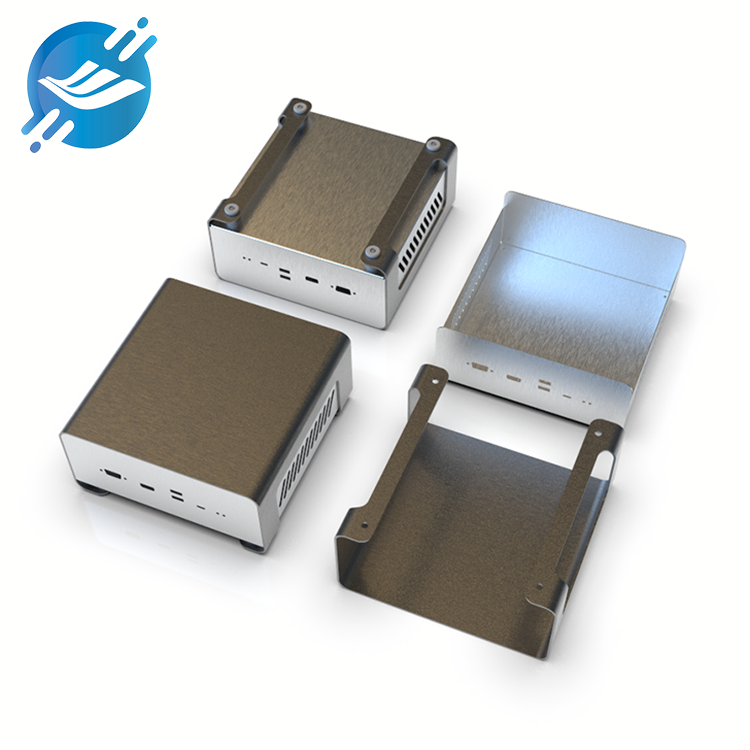
A typical Ventilated Sheet Metal Enclosure features a two-piece or multi-piece structure consisting of a bottom housing and a removable top cover. This design allows easy access to internal components while maintaining a secure enclosure during operation. Screw-fastened covers are commonly used to ensure consistent closure and reliable protection.
The internal structure of a Ventilated Sheet Metal Enclosure can be customized to support various components. Mounting studs, threaded inserts, brackets, or rails can be integrated to secure circuit boards, power supplies, or control modules. This structural flexibility makes the Ventilated Sheet Metal Enclosure suitable for both standardized products and custom-designed systems.
Applications of Ventilated Sheet Metal Enclosures
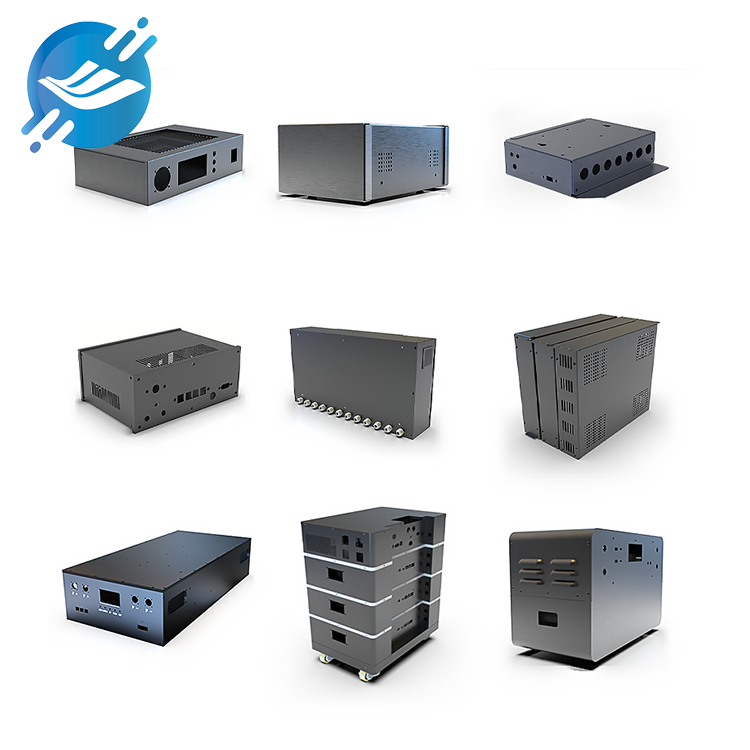
A Ventilated Sheet Metal Enclosure is widely used across multiple industries due to its versatility and reliability. In industrial automation, it houses control modules, power units, and communication devices that require continuous operation and effective heat dissipation. In electrical systems, it protects transformers, adapters, and distribution components while maintaining airflow.
Commercial applications also benefit from the Ventilated Sheet Metal Enclosure, particularly in communication equipment, networking devices, and display systems. Laboratory instruments and testing equipment often rely on ventilated enclosures to maintain stable operating conditions. The adaptability of the Ventilated Sheet Metal Enclosure makes it a preferred solution for OEMs and system integrators.
Customization Capabilities
One of the key advantages of a Ventilated Sheet Metal Enclosure is its high level of customization. Dimensions can be adjusted to fit specific equipment layouts, and ventilation patterns can be tailored to match heat dissipation requirements. Cutouts for connectors, switches, or displays can be precisely positioned to align with internal components.
Surface finishes and colors can also be customized to support branding or environmental needs. Logos, labels, or identification markings can be added through laser engraving, silk screening, or embossing. These customization options allow the Ventilated Sheet Metal Enclosure to function not only as a protective housing but also as a branded component of the final product.
Safety and Compliance Considerations
Safety is a critical factor in the design of a Ventilated Sheet Metal Enclosure. Edges are deburred and smoothed to reduce handling risks, and ventilation openings are designed to prevent accidental contact with live components. The enclosure structure provides effective shielding against external impact and interference.
Depending on the application, a Ventilated Sheet Metal Enclosure can be manufactured to meet relevant industry standards and regulations. Proper grounding points, insulation clearances, and material selections ensure compliance with electrical and mechanical safety requirements.
Advantages of Choosing a Ventilated Sheet Metal Enclosure
Compared with plastic or fully sealed housings, a Ventilated Sheet Metal Enclosure offers superior strength, durability, and thermal performance. Metal construction provides better protection against impact and electromagnetic interference, while ventilation features improve heat management without complex cooling systems.
The long service life of a Ventilated Sheet Metal Enclosure reduces maintenance costs and supports sustainable product design. Its adaptability allows manufacturers to update internal components without redesigning the entire enclosure, improving efficiency and reducing time to market.
Partnering with a Professional Sheet Metal Manufacturer
Choosing the right manufacturing partner is essential when developing a Ventilated Sheet Metal Enclosure. An experienced sheet metal manufacturer can provide design support, material recommendations, and production expertise to ensure optimal performance and cost efficiency. From prototype development to mass production, professional fabrication ensures consistent quality and reliable delivery.
A well-designed Ventilated Sheet Metal Enclosure is more than just a metal box. It is a critical component that protects equipment, manages heat, and supports long-term reliability. By combining precise fabrication, thoughtful ventilation design, and flexible customization, the Ventilated Sheet Metal Enclosure remains a trusted solution for modern industrial and commercial applications.
Thermal Performance and Airflow Optimization
The Ventilated Sheet Metal Enclosure is specifically designed with thermal performance as a core engineering objective. As electronic assemblies continue to increase in power density, efficient heat dissipation becomes essential for maintaining system stability. The Ventilated Sheet Metal Enclosure uses strategically positioned ventilation slots to encourage natural convection, allowing hot air to rise and exit the enclosure while cooler air is drawn in from surrounding openings. This passive airflow mechanism reduces internal heat accumulation without relying entirely on active cooling components.
For applications requiring enhanced cooling, the Ventilated Sheet Metal Enclosure can be adapted to support forced-air systems such as fans or blowers. Vent placement, internal spacing, and component orientation can be optimized during the design stage to ensure airflow passes directly across heat-generating components. This flexible thermal design approach allows the Ventilated Sheet Metal Enclosure to support a wide range of operating conditions, from low-power control units to high-load industrial electronics.
Durability and Long-Term Reliability
Durability is a defining advantage of the Ventilated Sheet Metal Enclosure. Metal construction provides superior resistance to impact, deformation, and environmental stress compared to plastic housings. The rigid structure of the Ventilated Sheet Metal Enclosure protects sensitive internal components from mechanical damage during transportation, installation, and daily operation.
Long-term reliability is further enhanced through proper material selection and surface treatment. Corrosion-resistant finishes protect the Ventilated Sheet Metal Enclosure from moisture, chemicals, and airborne contaminants commonly found in industrial environments. This durability reduces the need for frequent replacement or maintenance, lowering total ownership costs for equipment manufacturers and end users.
Electromagnetic Shielding Benefits
In addition to mechanical protection and ventilation, the Ventilated Sheet Metal Enclosure offers effective electromagnetic shielding. Metal enclosures naturally block and contain electromagnetic interference, helping to protect sensitive electronics from external noise while preventing internal signals from interfering with surrounding equipment. This makes the Ventilated Sheet Metal Enclosure particularly valuable in communication systems, automation equipment, and precision control applications.
The ventilation design of the Ventilated Sheet Metal Enclosure is carefully balanced to maintain shielding effectiveness while allowing airflow. Slot dimensions and spacing are engineered to reduce electromagnetic leakage, ensuring compliance with common EMC requirements. This dual-function design adds significant value to the Ventilated Sheet Metal Enclosure in regulated or high-performance environments.
Design Flexibility for OEM and Custom Projects
The Ventilated Sheet Metal Enclosure is an ideal solution for OEM manufacturers seeking a balance between standardization and customization. External dimensions can be standardized across product lines, while internal layouts are customized to suit different configurations. This approach reduces tooling costs and accelerates product development cycles while maintaining design flexibility.
For custom projects, the Ventilated Sheet Metal Enclosure can be tailored from the earliest design stages. Engineers can specify ventilation patterns, mounting features, cable routing paths, and surface finishes to align with functional and branding requirements. This high level of design freedom allows the Ventilated Sheet Metal Enclosure to integrate seamlessly into new product designs without compromise.
Installation and Maintenance Advantages
Ease of installation is another important benefit of the Ventilated Sheet Metal Enclosure. Clearly defined mounting points and rigid construction allow the enclosure to be securely fixed to walls, frames, or equipment racks. The predictable geometry of the Ventilated Sheet Metal Enclosure ensures consistent alignment during installation, reducing setup time and minimizing errors.
Maintenance efficiency is also improved through thoughtful enclosure design. Removable covers provide direct access to internal components, allowing technicians to perform inspections, upgrades, or repairs quickly. The ventilated structure also reduces internal heat stress, which can lower failure rates and extend maintenance intervals. These factors contribute to reduced downtime and improved system availability.
Sustainability and Material Efficiency
Sustainability is becoming an increasingly important consideration in industrial design, and the Ventilated Sheet Metal Enclosure supports environmentally responsible manufacturing practices. Metal materials such as steel and aluminum are highly recyclable, making the Ventilated Sheet Metal Enclosure a sustainable choice over its lifecycle.
Efficient thermal management also contributes to sustainability by reducing the need for energy-intensive cooling systems. By improving natural airflow, the Ventilated Sheet Metal Enclosure helps lower overall power consumption of the equipment it houses. This efficiency aligns with modern sustainability goals while delivering practical performance benefits.
Quality Control and Manufacturing Consistency
Consistent quality is essential for large-scale production of the Ventilated Sheet Metal Enclosure. Precision fabrication processes ensure repeatable dimensions, uniform ventilation patterns, and reliable assembly across production batches. Quality control inspections verify material thickness, bend accuracy, and surface finish integrity to maintain high standards.
This manufacturing consistency allows the Ventilated Sheet Metal Enclosure to be used confidently in mass production environments. OEMs benefit from predictable fit and performance, reducing assembly issues and improving overall production efficiency.
Future-Proof Enclosure Solutions
As technology continues to evolve, enclosure design must adapt to new requirements. The Ventilated Sheet Metal Enclosure provides a future-proof foundation that can accommodate upgrades, component changes, and evolving thermal demands. Its adaptable structure allows internal layouts to be revised without major changes to the external housing.
This scalability makes the Ventilated Sheet Metal Enclosure a long-term solution for manufacturers planning product upgrades or expansions. By investing in a flexible and durable enclosure design, companies can reduce redevelopment costs and respond more effectively to changing market nee
Post time: Dec-22-2025


