

Customized Weatherproof Electrical Enclosures: The Quiet Guardians of Outdoor Tech
When was the last time you saw a streetlight remaining bright while driving in a downpour? I strolled by a farm field where, despite a week of heavy snowfall, sensors were monitoring soil moisture. A designed weatherproof electrical enclosure is what most people never see behind that dependable outdoor technology. The reason your neighborhood’s traffic lights don’t short out in a deluge or the tools on a building site continue to function during a heatwave is because of this unassuming device, which is typically a sturdy metal or plastic box made to accommodate particular equipment.
A “one-size-fits-all” enclosure can be frustrating for anyone who works with outside electrical equipment, whether they are an electrician, a farm manager, or a city’s IT director. Perhaps the seal cracks after the first frost, leaving wires damp, or it’s too tiny for your sensors. That is fixed by customized weatherproof enclosures, which are made to fit your equipment, your location, and your worst weather. Let’s explore the significance of these modest boxes and how they transform from “just a container” to an indispensable tool for outdoor technology.
why Customized Beats Generic Every Time (Especially Outside)
Rain, snow, dust, humidity, intense heat, and even inquisitive animals are all constant threats to outdoor technology. The elements will inevitably prevail, even though a generic cage can last for a month. Personalized ones? Because the maker takes the time to understand your unique battle, they are made to outsmart Mother Nature.
Consider Maria, an electrician who maintains small companies outside security cameras. Before a client’s camera went dark following a snowstorm one winter, she relied on commercially available enclosures for her clients’ camera wire. She says, “The generic box had a cheap rubber seal that cracked in the cold.” The wiring was fried when water leaked in. I now utilize specially designed enclosures with -40°F-rated silicone gaskets; they’ve survived two winters without a hitch, and my clients stop calling me for emergency fixes.”
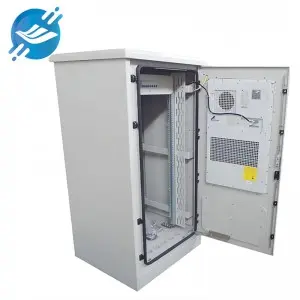
The Superpowers of a Well-Made Custom Enclosure
Customized weatherproof enclosures aren’t just “sealed boxes”—they’re packed with small, thoughtful details that solve real problems. Here’s what makes them stand out for the people who use them daily:
1.They fit like a glove no more jamming gear or wasted space:
Have you ever attempted to fit three sensors, a power supply, and a router into an enclosure that is too small? It is a surefire way to get bad airflow and damaged wiring. With cutouts for cables, clamps to hold parts in place, and even additional space if you want to add more technology in the future, custom enclosures are made to the precise measurements of your equipment. When a city’s traffic department changed its traffic light controllers, they discovered that their specially designed enclosures contained pre-drilled holes for additional cabling, saving installers from having to drill into the seal and run the danger of shattering it in order to add components.
2.They are built for your weather (not “average” weather):
“One-size-fits-all” does not equate to weatherproof. An enclosure for a Colorado mountain (snow, freezing temperatures, high altitude) requires different specifications than one for a Florida beach (humidity, salt air, hurricanes). The right questions are asked by custom manufacturers: When does it get the coldest? Do you use salt spray? What is the annual amount of rain? They then employ materials such as UV-resistant polyethylene for sunny climes or marine-grade aluminum for salt air, together with seals that are approved for your particular conditions. Three years later, despite regular ocean breezes, the outside point-of-sale system of a seaside restaurant still looks brand new thanks to an enclosure with a salt-resistant surface.
3.They protect more than just wires; they protect your budget:
Replacing a shorted-out control panel or fried sensor can cost hundreds or thousands of dollars, not to mention the lost productivity during the outage. That is avoided with custom enclosures. When a construction business moved to custom enclosures for their power equipment on the job site, they discovered this. Previously, they had to replace a drill control box every few months because of dust and rain. The equipment is now kept dry and clean by the enclosures, and replacement costs are decreased by 70%. According to the company’s foreman, “it’s a small upfront cost that saves us a ton in the long run.”
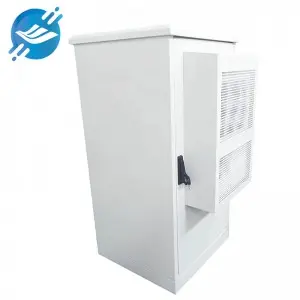
B2B Partnerships: When Custom Enclosures Become Strategic Tools
Customized weatherproof enclosures are more than simply a purchase for business-to-business clients, such as communication providers, local governments, renewable energy firms, and industrial manufacturers. They are essential to operations. A telecom corporation cannot have cell tower equipment fail in strong gusts, and a manufacturing cannot afford its outdoor machinery controls to malfunction during a storm. Because of this, the top B2B enclosure manufacturers work with you to solve complex issues rather than just selling boxes. These collaborations provide genuine benefit in the following ways:
1.They understand your industry’s unique needs:
A manufacturer who deals with wastewater treatment facilities is aware that their enclosures must be resistant to chemicals and standing water. One that collaborates with solar farms is aware of the necessity of UV resistance and solar inverter compatibility. They inquire about your workflow, compliance requirements (such as NEMA ratings for electrical safety), and future goals in addition to dimensions. For instance, in order to reduce turbine downtime by thirty percent, a wind energy business collaborated with a manufacturer to design enclosures that fit their turbine’s control systems and include built-in access ports for maintenance crews.
2.They scale with your business (no more “starting over”):
B2B clients frequently expand, adding additional facilities, equipment, or geographical areas with varying climates. The top producers make electrical enclosures that are part of a “system,” not individual units. For instance, all the exterior pump controls in a nationwide chain of gas stations have the same base enclosure design, but the seal and material are tailored for each site (salt-resistant for coastal locations, cold-rated for the Northeast). They don’t have to start from scratch when they open a new station; they simply order the regional variety.
3.They handle the details (so you don’t have to):
B2B customers don’t have time to look up NEMA ratings or conduct durability tests on goods. The top manufacturers handle that. They will source authorized materials, test prototypes in simulated weather conditions, and suggest the appropriate IP (Ingress Protection) certification (such as IP67 for full water submersion) or NEMA rating (such as NEMA 4X for corrosion resistance). In order to save the city’s IT staff months of research, a municipal government working on a smart city project relied on its manufacturer to guarantee that enclosures for streetlight controls complied with local safety requirements.
4.They offer support that goes beyond delivery:
The last thing you want is to be stranded when an enclosure needs to be modified for new equipment, or a seal goes out. Leading B2B manufacturers provide continuing support in the form of promptly supplied replacement parts (such as hinges or gaskets), custom changes for enclosures already in place, and even on-site installation assistance. After frequent use, a food processing plant’s enclosure lock broke. The manufacturer shipped a replacement latch overnight and checked to make sure it was easy to install. According to the plant’s maintenance manager, “that’s the difference between a supplier and a partner.”

Conclusion:
Customized weatherproof electrical enclosures may never be the main attraction because they are always concealed by machinery, sensors, and lamps. However, they are unsung heroes for those who depend on outdoor technology. “Will this hold up?” is changed to “This will absolutely hold up.” They allow you to
Post time: Dec-03-2025


